
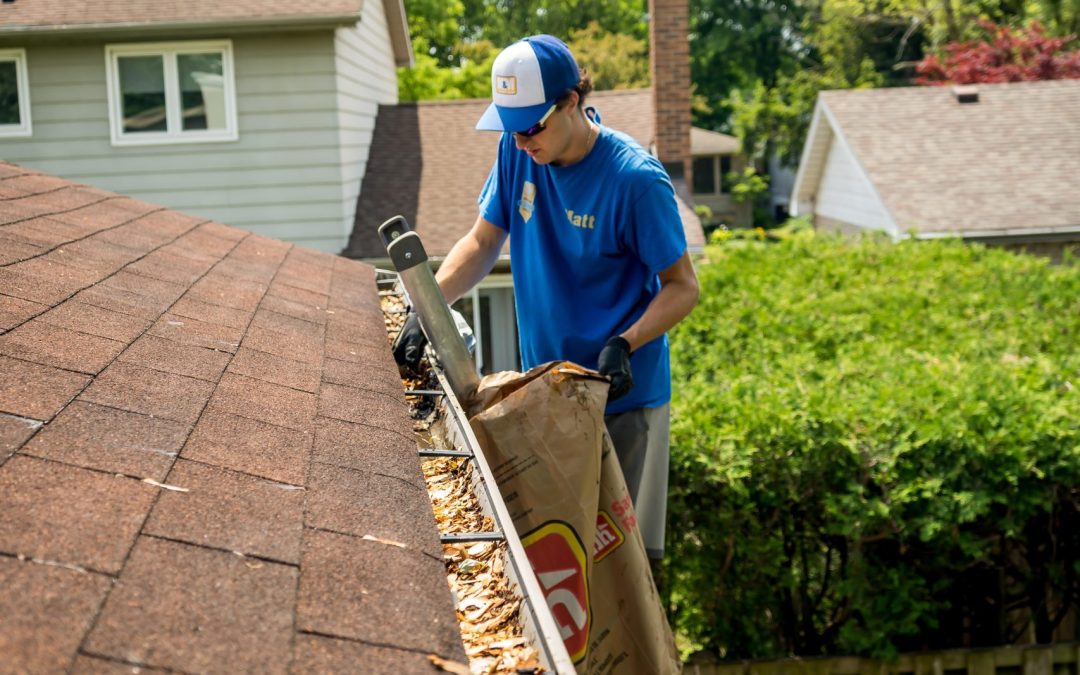
Should You Wait Until All the Leaves Have Fallen to Clean Gutters in Kitchener-Waterloo?
It is a question we hear every October from homeowners across Kitchener, Waterloo, Cambridge and Guelph. The maples are still dropping leaves, the lawn looks like a carpet, and it feels sensible to wait until the last leaf is down before climbing a ladder. The short answer is that waiting for every leaf is usually a mistake. Here is why, and how to time your eavestrough cleaning so your home is protected before winter arrives.
The Short Answer: Do Not Wait for the Last Leaf
In Kitchener-Waterloo, leaf drop does not happen on a single day. Early species like Norway maples and birch let go in late September, oaks hold their leaves well into November, and some trees keep dropping leaves and debris until the first heavy snow. If you wait for everything to finish, you may end up waiting until the ground is frozen, and that is too late.
A better approach is to book your eavestrough cleaning in Kitchener-Waterloo once the bulk of the leaves are down, typically from late October to mid-November. If you have heavy oak coverage, a second visit after the final leaves drop can be worthwhile.
What Happens When Leaves Sit in Your Gutters
Wet leaves do not stay loose. They pack down, break apart and turn into a dense, soggy mat that blocks downspouts and holds water against your roof edge. Left alone through freeze and thaw cycles, that mat causes real problems.
Ice dams and frozen overflow
When a clogged gutter freezes, meltwater from the roof has nowhere to go. It backs up under the shingles and refreezes, which can lead to leaks, damaged insulation and stained ceilings. Kitchener-Waterloo gets plenty of freeze and thaw weather from December through March, so this is a common winter repair call.
Heavy, stressed eavestroughs
A gutter full of wet leaves and ice can weigh many times more than an empty one. That extra load pulls on fascia boards and fasteners, bends sections and can tear the whole run away from the house.
Foundation and landscaping damage
When water cannot flow through the downspout, it spills over the edge and pours down beside your foundation. Over time that can mean soil erosion, basement dampness and damage to flower beds and walkways.
Signs Your Gutters Need Attention Right Now
You do not need a calendar to tell you it is time. Look for these signs after a rainfall:
- Water spilling over the front edge of the eavestrough instead of flowing to the downspout.
- Plants or small trees growing out of the gutter line.
- Downspouts that trickle slowly or not at all.
- Dark streaks or stains on siding below the gutters.
- Sagging sections or gutters pulling away from the fascia.
If you see any of these, do not wait for the last leaves. Clean first, and book a follow-up if needed. For more on how often cleaning should happen through the year, see our guide on how often to clean your gutters in Kitchener-Waterloo.
The Best Timing by Type of Property
Homes with mature trees
If your lot has large maples or oaks, plan for a main cleaning in late October or early November and a quick follow-up in late November if leaves keep falling. Mature trees can fill a gutter within a single windy week.
Newer subdivisions with young trees
Newer neighbourhoods usually have lighter leaf loads, so one well-timed cleaning in early to mid November is often enough. Do not forget the neighbours’ trees, which can drop leaves onto your roof.
Homes with gutter guards
Guards reduce how much debris gets in, but they are not maintenance free. Small seeds, shingle grit and pine needles can still build up on top. A seasonal check keeps water flowing. If you are tired of repeated cleanings, our gutter guards are worth a look for properties with heavy tree cover.
Why Professional Cleaning Beats a Rushed DIY Job
Many homeowners climb a ladder on the first mild weekend and scoop out what they can reach. The problem is that wet, cold leaves are slippery, ladders on damp ground are risky, and it is easy to miss clogs inside the downspouts. A professional crew works safely at height, clears the troughs, flushes the downspouts and checks that water is actually flowing away from your foundation when the job is done.
You also get a second set of eyes on loose fasteners, sagging sections and seams that need attention before the snow arrives. Catching those small issues now is far easier than dealing with a failed eavestrough in January.
A Simple Fall Plan for Kitchener-Waterloo Homeowners
- Late October to mid November: Book your main eavestrough cleaning once most leaves are down.
- Late November: If you have oaks or heavy tree cover, schedule a quick follow-up.
- Before the first deep freeze: Confirm that downspouts are clear and extensions direct water away from the house.
- Spring: Have everything checked again after the winter, when debris and shingle grit have settled.
Planning Ahead for the Holidays Too
Late fall is also the time to think about your holiday display. A clean, secure eavestrough line gives light clips a solid surface to attach to, and crews can work more safely when the roof edge is clear. If you want to avoid a December scramble, you can also look at Christmas light installation in Kitchener-Waterloo while you are booking your fall cleaning.
Ready to Get Your Gutters Cleared?
You do not have to guess when the leaves are finished. MasterShine serves Kitchener, Waterloo, Cambridge and the surrounding area with trusted, reliable eavestrough cleaning, and we will help you pick the right timing for your property. Contact us today to book your fall cleaning before winter sets in.